
Core Medical Specialities
Endoscopic/Colonoscopic Procedures: Advanced Diagnostics with Minimal Invasion
Our dedicated Endoscopy Center performs diagnostic and therapeutic procedures to examine internal organs, providing accurate results with minimal discomfort and hospital time.
Utilizing flexible, high-definition scopes, our trained specialists can look inside the digestive tract and airways to diagnose conditions, remove growths (like polyps) and stop bleeding, often replacing the need for major open surgery.
Technology and Infrastructure
Advanced Visualization & Patient Comfort
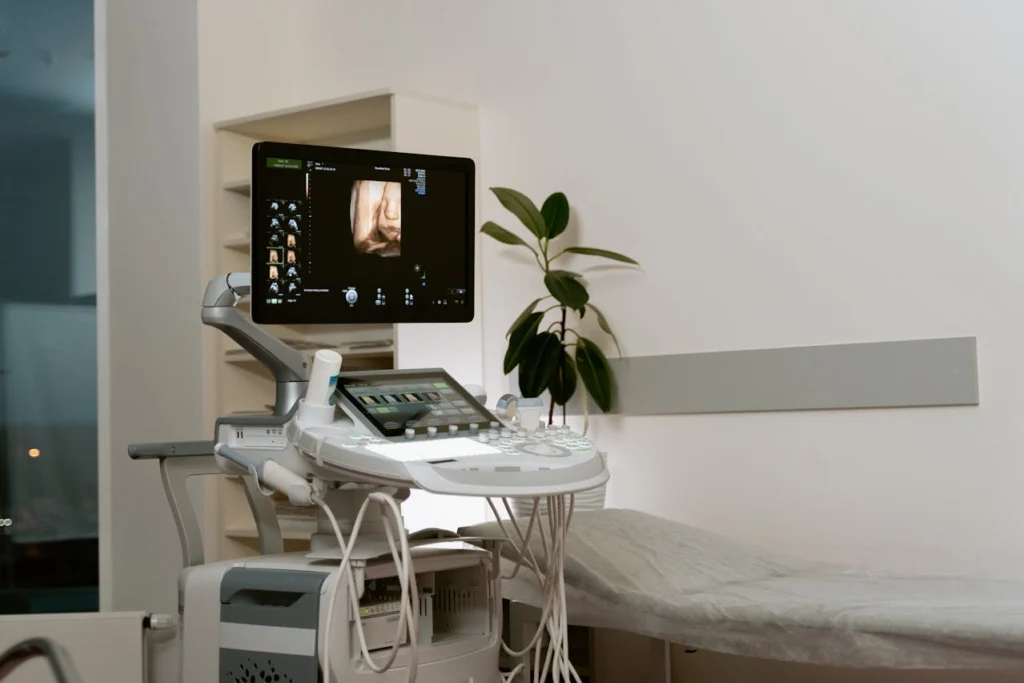
At GHH, we use the latest high-definition endoscopic technology to provide clear, real-time images of internal organs. Our infrastructure is designed to maximize diagnostic accuracy while ensuring that the patient experience is as comfortable and stress-free as possible.
01
ERCP (Endoscopic Retrograde Cholangiopancreatography):
This specialized technique combines endoscopy with X-ray imaging. It allows our specialists to visualize and treat back blockages or stones in the bile and pancreatic ducts with extreme precision.
02
CO2 Insufflation:
Unlike traditional solutions that use room air to expand the digestive tract, we use Medical Grade Carbon Dioxide (CO2). CO2 is absorbed by the body 100 times faster than air, dramatically reducing post-procedure bloating, cramping and discomfort.
03
Dedicated Recovery Bay
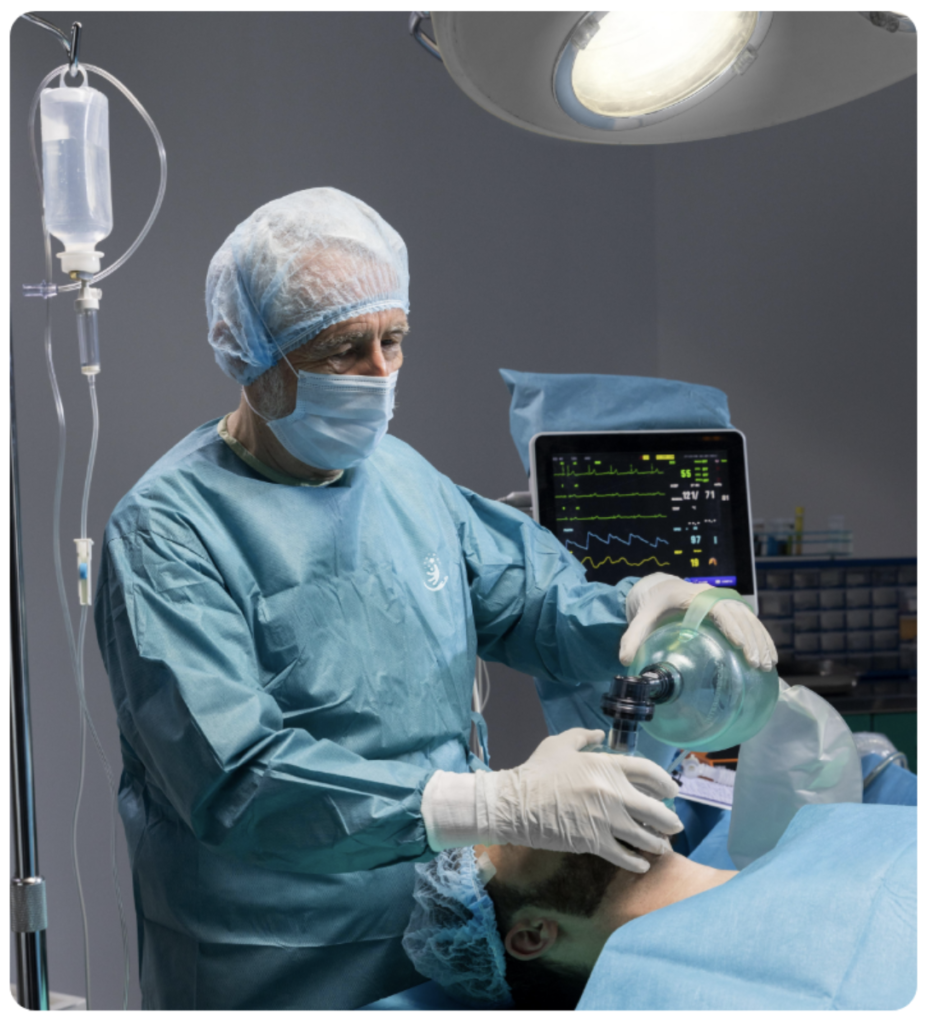
Every patient is monitored in our specialized recovery unit post-procedure. These bays are equipped with advanced vital-sign monitoring and are staffed by nurses trained specifically in post-sedation care to ensure a safe transition before you go home.
Clinical Approach
Minimally Invasive Care with a Human Touch
Our clinical philosophy for endoscopic procedures focuses on precision, patient safety, and rapid recovery. We aim to provide definitive answers and effective treatments with the least amount of disruption to your body.
01
Monitored Sedation:
We prioritize patient comfort by using "Conscious Sedation" or "Monitored Anesthesia care (MAC)," ensuring you remain relaxed and pain-free throughout the procedure under the watchful eye of an anesthesiology professional.
02
Rapid Diagnostic Reporting:
We understand that waiting for results causes anxiety. Our team provides an immediate preliminary report following the procedure, with pathology results(if biopsies are taken) followed up promptly.
03
Strict Infection Control:
We adhere to international gold standards for the sterilization and high-level disinfection of our scopes. Each instrument undergoes a rigorous multi-stage cleaning process to ensure 100% patient safety.
Key Procedures
Specialized Procedures We Offer
.
Therapeutic ERCP
Used primarily to remove gallstones from the bile duct or to place stents to bypass blockages caused by tumors or strictures.
Diagnostic & Therapeutic Colonoscopy
A examination of the large intestine to screen for colon cancer and remove polyps (small growths) before they become cancerous.
Upper Endoscopy (Gastroscopy)
A visual examination of the esophagus, stomach and duodenum to diagnose issues like ulcers, GERD, or suspected infection or issue.
Bronchoscopy
Using a thin flexible scope to examine the airways and lungs to investigate chronic coughs, infections, or suspicious findings on a chest X-ray.

Q:What preparation is required before an endoscopic procedure?
A:For most procedures, you will need to "fast"(have an empty stomach) for at least 6–8 hours. For a colonoscopy, a specialized liquid "prep" is required a day prior to clear 3–4 hours for clear visualization.
Q:Will I be asleep during the endoscopy?
A:Most patients receive "conscious sedation," which makes you feel very relaxed and drowsy. While you aren't under general anesthesia, most people do not remember the procedure and feel no pain.
Q:How soon can I drive home after my procedure?
A:Because of the sedation medications used, you cannot drive for 24 hours after the procedure. You must have a responsible adult accompany you home.
Q:How long does a typical colonoscopy take?
A:The procedures itself usually takes between 20 to 45 minutes, depending on whether polyps need to be removed. Including prep and recovery time, you should plan to be at the hospital for about 2-3 hours.
Services
See All Services
Other Services

Contact Us
Take The First Step Towards Better Health
Please complete the form below. A member of our team will respond to your inquiry within one business day. Do not use this form for medical emergencies.